For marketing and leadership teams
Hollywood-level, Holywood budget: how we made a fight-night advert with AI
Our first sponsorship, and an advert to go with it: a packed Ulster Hall, a ring walk and a blackout, with no crew and no filming. The tools, the real photos behind it, what broke and what it cost.

Lingo
11 min read
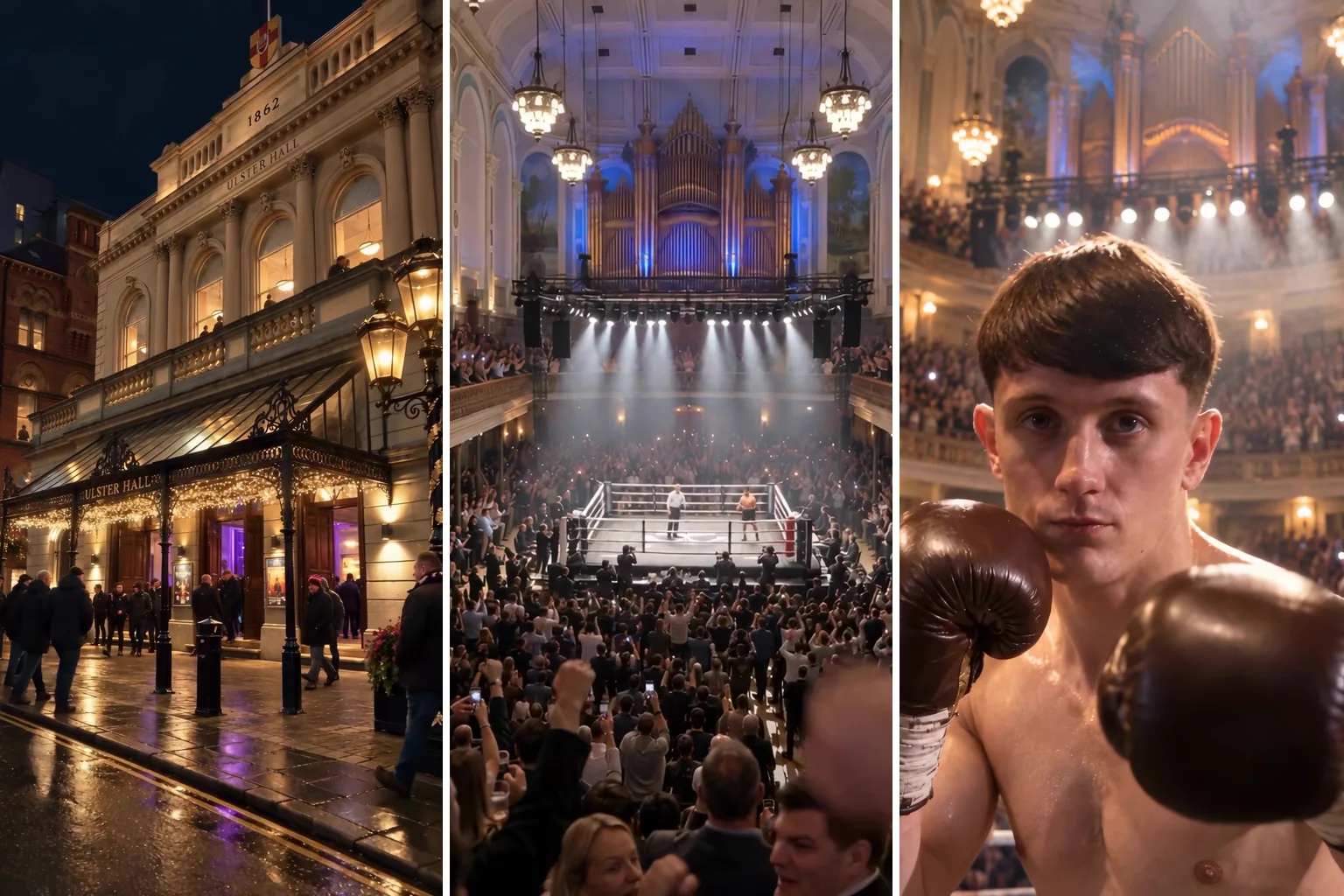
Lingo is sponsoring Conor Quinn’s fight at the Ulster Hall in Belfast, the first sponsorship in our company’s history. To mark it we made him a fight-night advert: a packed hall, a ring walk, a blackout and a finish in the ring, without a crew, a venue hire or a day of filming. This is how it was made, shown side by side with the real thing.
The advert
60 seconds, with sound
In short
- Conor Quinn is Lingo’s first sponsorship as a company. The advert was made for his Ulster Hall fight night.
- It was planned in Figma, built as stills in ChatGPT from real photos of Conor and the hall, animated with Seedance 2.5, voiced with ElevenLabs, and reviewed and finished with Claude.
- It took 14 review rounds and £162 in Krea charges for all video generation and the 4K upscale, every draft and rejected take included.
Six moments from the film
Hover over a clip, or tap it, to play
The walk-out Lights out Lingo on WhatsApp The fix Lights back on Round one
The brief
Conor Quinn is one of Belfast’s most exciting young boxers, and backing his fight is the first time Lingo has sponsored anyone. We wanted the sponsorship to come with something worth sharing: a vertical advert for social media that feels like a broadcast fight promo, with a full house under the lights, the walk to the ring, an engineer fixing a lighting fault with Lingo on his phone, and a finish in the ring with our logo on the canvas.
Shot conventionally, that means hiring the hall, filling it with extras, a lighting and camera crew, both fighters in front of a lens, then an edit and a grade. One rule replaced all of it: if a shot would not pass as filmed footage on a phone screen, it did not go in the cut.
What AI tools were used to make the advert?
Six tools, each with one job. None of them could have made the film alone.
The production stack
| Stage | Tool | What it did |
|---|---|---|
| Planning | Figma | Script, storyboard, shot list and blocking for every scene |
| Stills | ChatGPT | A photographic start frame for each shot, built from real photos |
| Motion | Seedance 2.5 | Animated each still into a clip of four to seven seconds |
| Voice | ElevenLabs | The voiceover, from a cloned Northern Irish voice |
| Review | Claude | Reviewed every clip, cut the film, mixed the sound and made every fix in post |
| Upscale | Topaz Rhea | Took the 22 clips in the final cut from 720p to 4K |
Seedance and Topaz Rhea were both run on Krea. The film was delivered as a 1080 × 1920 file for posting and a ProRes 422 HQ master for archive and broadcast.
Pre-production still matters
The film was planned the way a live shoot would be. The script, storyboard and blocking were laid out in Figma before a single frame was generated, and every shot had a fixed framing, length and purpose in the edit. This is the step most AI video skips, and it is why most AI video looks like a run of unrelated clips.
The whole production in one Figma file
Blocking mattered more than expected. A video model has no sense of geography: which corner of the ring is red, which way a door opens, where the crowd sits. Each of those was decided on paper first, then checked shot by shot.
Storyboard cards from the walk-out
How do you get a real person’s likeness right in AI video?
Give the model more angles than it needs, and never ask it to invent a face. Conor’s reference set came from his public social media, his promoter’s portraits and frames from his past fights. Fight footage was the most useful source: over a few rounds a boxer turns through every angle, under hard overhead light, mid-expression. Between them, every quarter of the face was covered. Conor’s opponent was built the same way.
The real Conor
The reference set, from public posts
From those photos ChatGPT made a turnaround sheet, front to profile, and one approved still was fixed as the face anchor. Every later frame was checked against it.
The turnaround and the anchor
Real photo against the film
Drag the handle
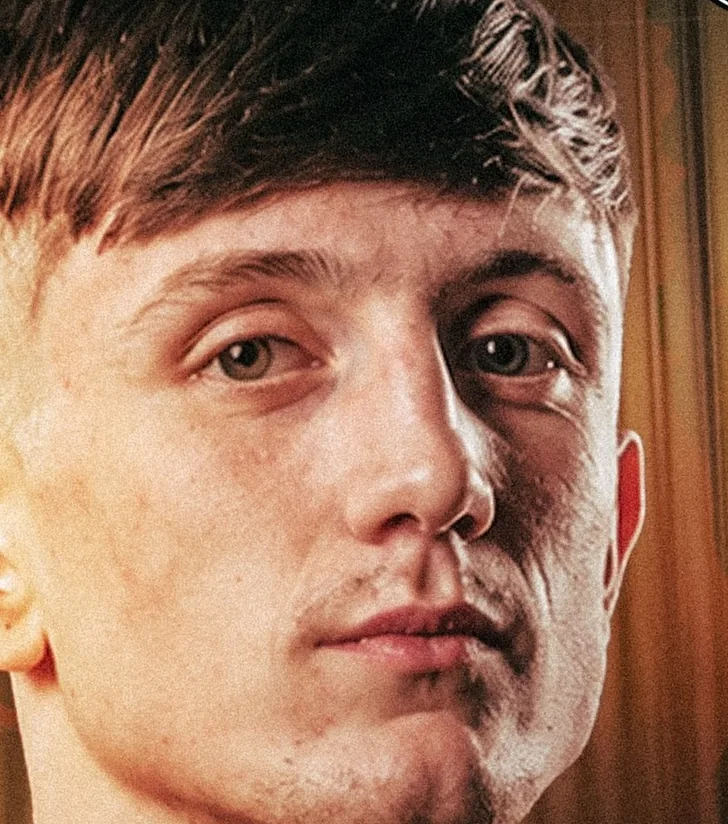
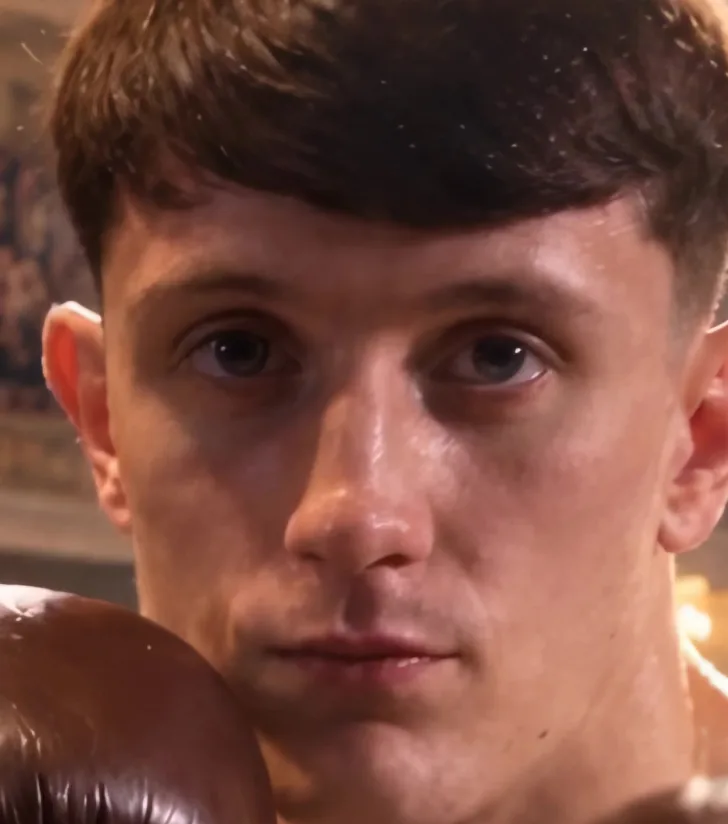
One rule came out of this the hard way: never swap a face into a wide shot. In a wide frame the face is a few dozen pixels across, and a swap at that size gives a face that is close but wrong, which an audience notices. Wide shots were generated with the likeness already in the start frame.
Getting the Ulster Hall right
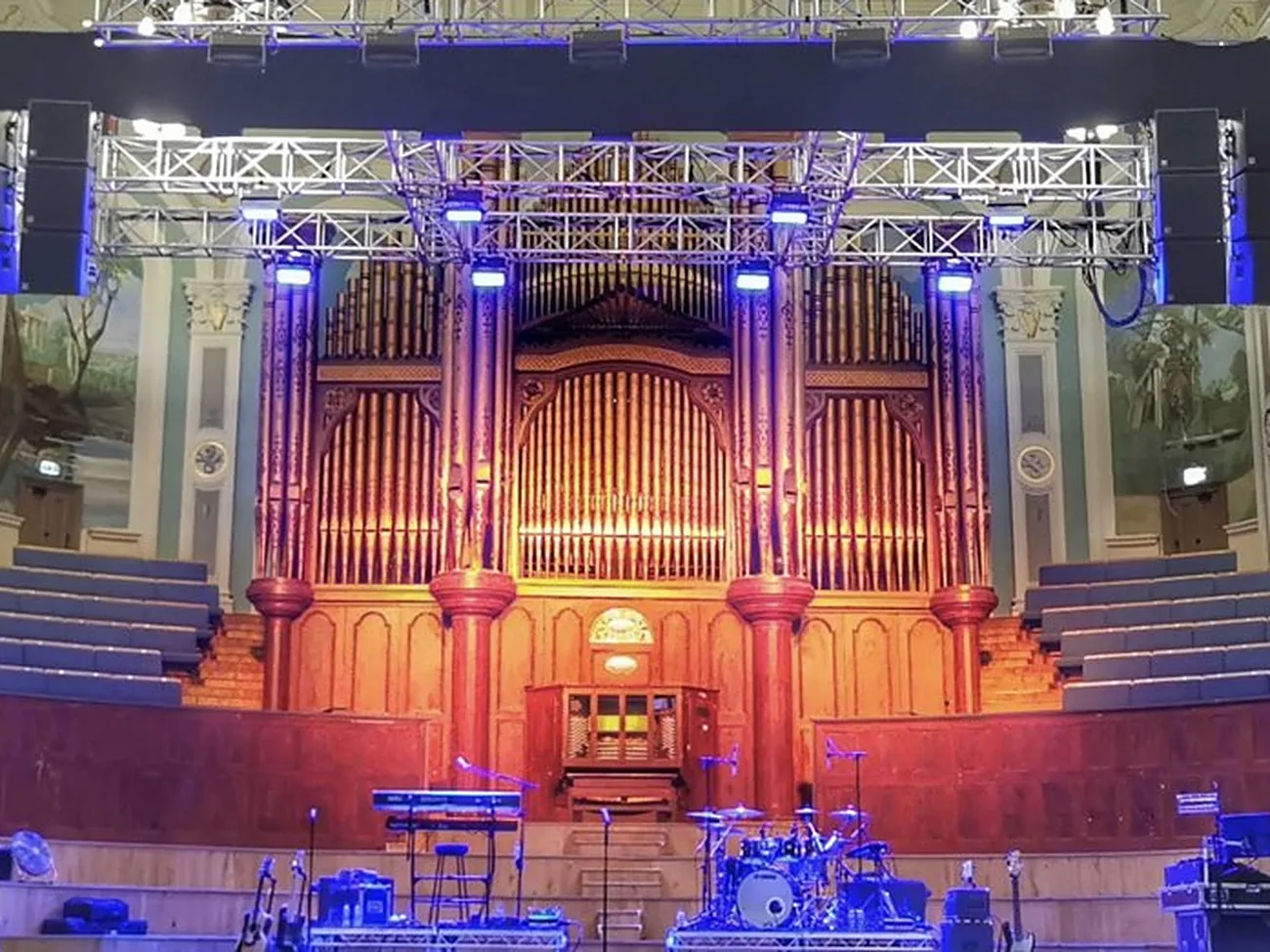
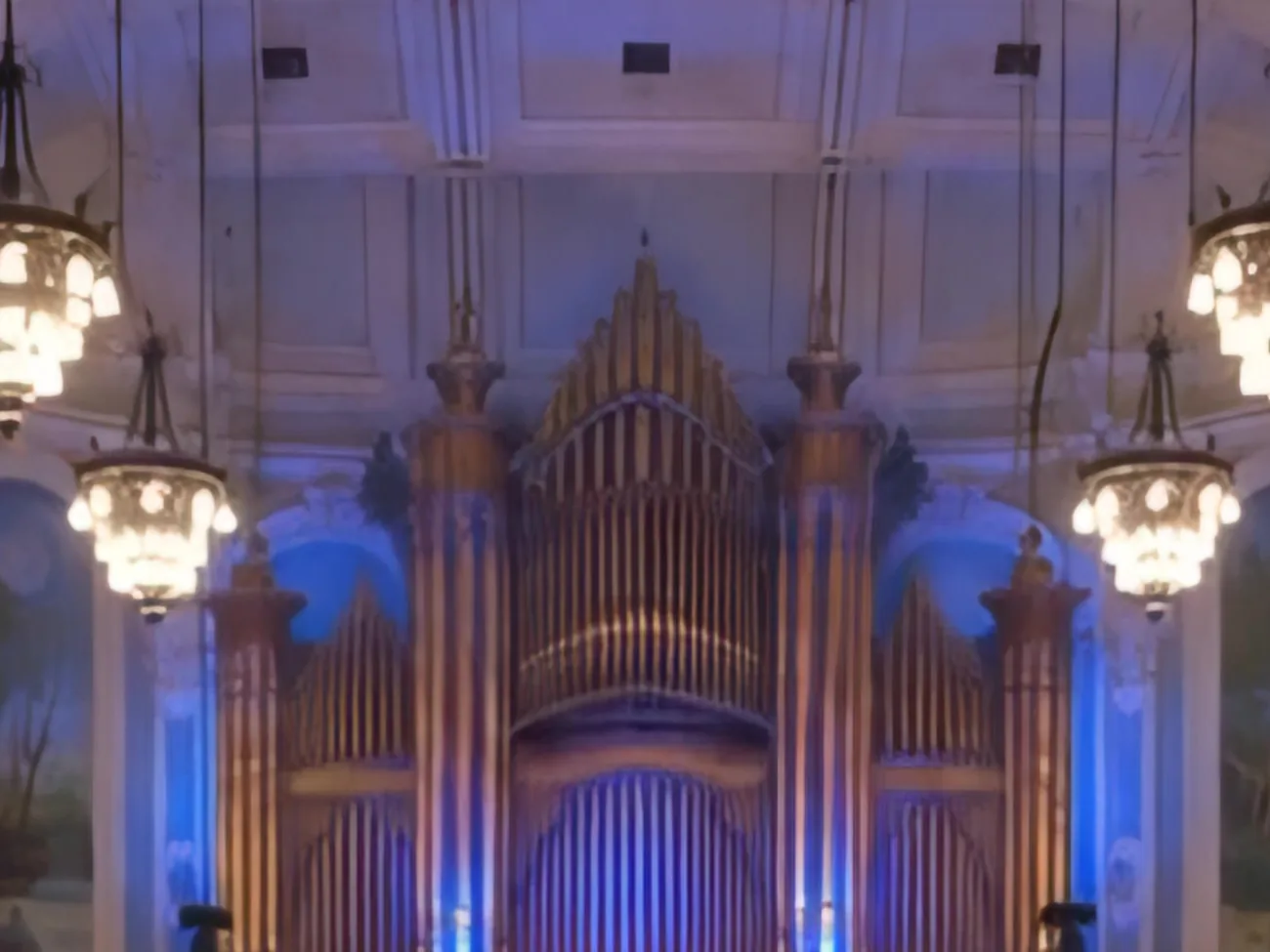
The venue had a likeness of its own. The first version of the hall looked like any Victorian concert hall, and it was rebuilt once real photos showed the actual architecture. From then on every hall shot was checked against a fixed list: the gold Mulholland organ at one end, the arched painted murals at the other, duck-egg and cream plasterwork, a coffered ceiling, wrought-iron chandeliers, cast-iron balcony fronts on slender columns, and the ring in the middle of the floor under a black truss.
The real hall and the hall in the film
The organ, real and generated
Drag the handle
Details from the 4K master
From still frame to moving shot
Every shot started as a still. ChatGPT made the start frame from the reference set and the storyboard panel: light, framing, costume, set. Nothing was animated until that frame was approved. The approved still then went into Seedance with a prompt describing only what moves: the camera, the fighter, the crowd.
One still, brought to life
Hover over the still, or tap it, to play the clip Seedance made from it
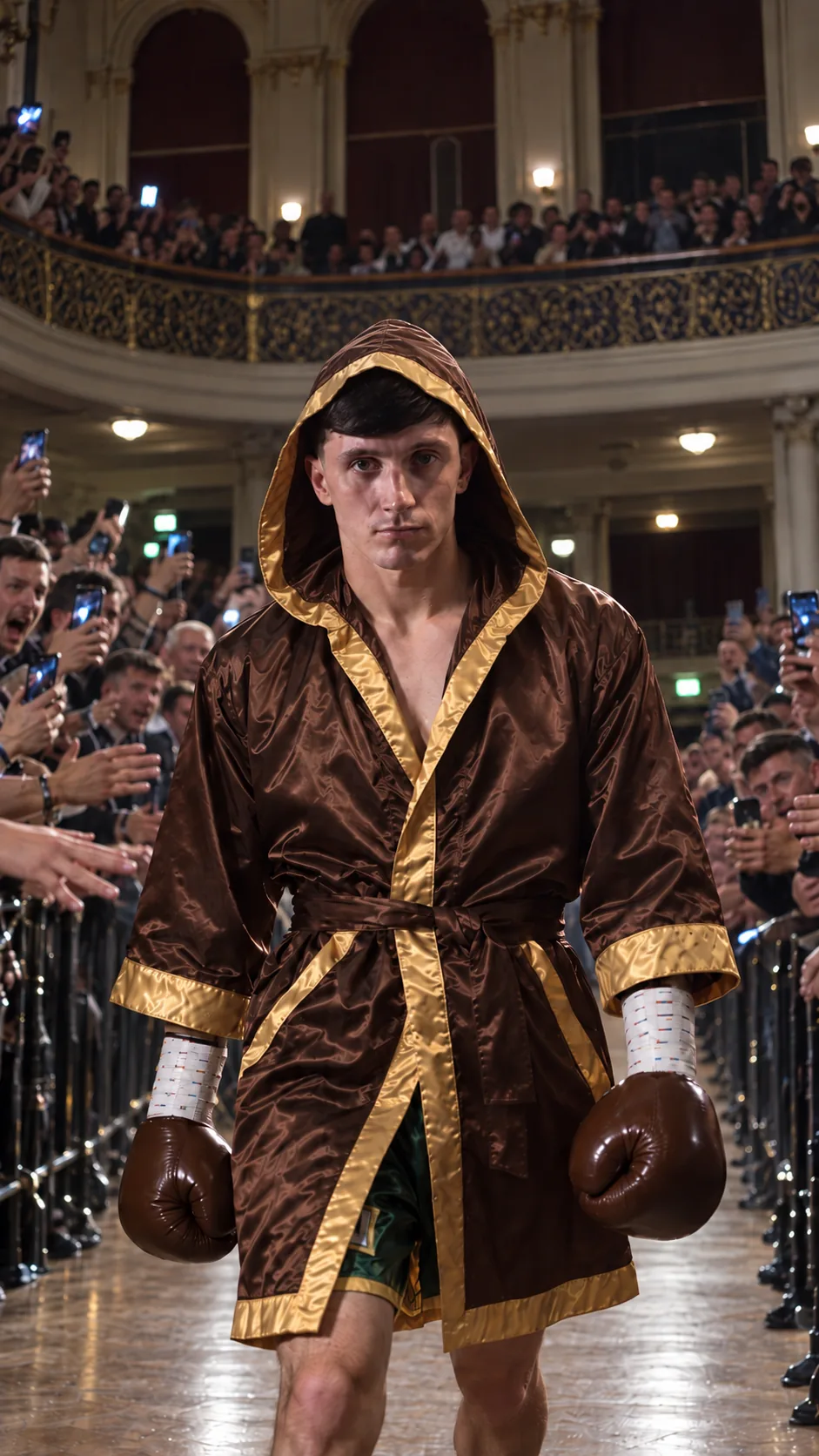
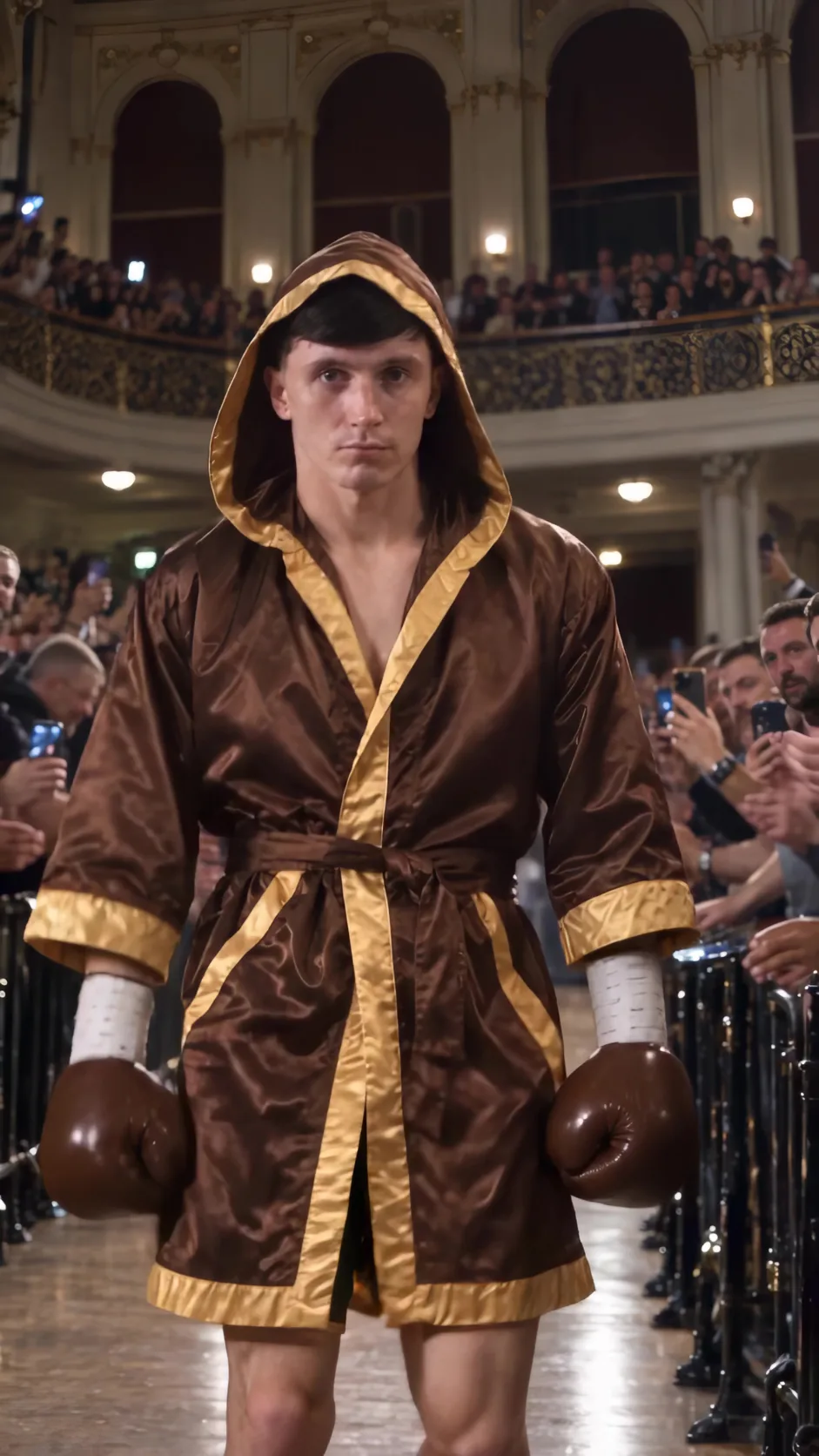
Seedance on Krea has two quality settings, and both were used on purpose. A draft at 480p costs 305 compute units for four seconds and was used to test motion, timing and camera moves. A full render at 720p costs 856 units for five seconds, 1,028 for six and 1,199 for seven, and was used only once a draft had been approved. A draft costs about a third of a full render, and testing in draft first was the biggest single saving in the process.
What went wrong, and how it was fixed
Most of the work was not generating. It was catching what the models got wrong and deciding whether to generate again or repair it.
Problems and fixes
| Problem | What happened | Fix |
|---|---|---|
| Model outage | Seedance went down mid-project | An alternative model was tried. It lost the likeness, made the logo unrecognisable and opened a door the wrong way, so every clip from it was discarded. |
| Melting logos | Logos on the canvas warped as the camera moved | Left out of generation and printed onto the canvas afterwards, shaded from the footage |
| Drifting props | A button on the control panel moved between shots | Generated again from a fixed start frame with no camera move |
| Doors | Doors opened from the wrong side | Hinge side and opening direction written into the start frame and the prompt |
| Phone grip | The engineer held the phone in both hands | Generated again with a one-handed grip |
| Phone screen | Generated screens are unreadable | Generated with a green screen, and a real interface put on afterwards |
| Ring corners | Two red corners and two blue | Recoloured frame by frame to one red, one blue and two neutral |
| Blocked audio | Generated sound flagged for copyright | “Room tone only” in every prompt; the soundtrack built separately |
Two fixes made after generation
Drag the handles
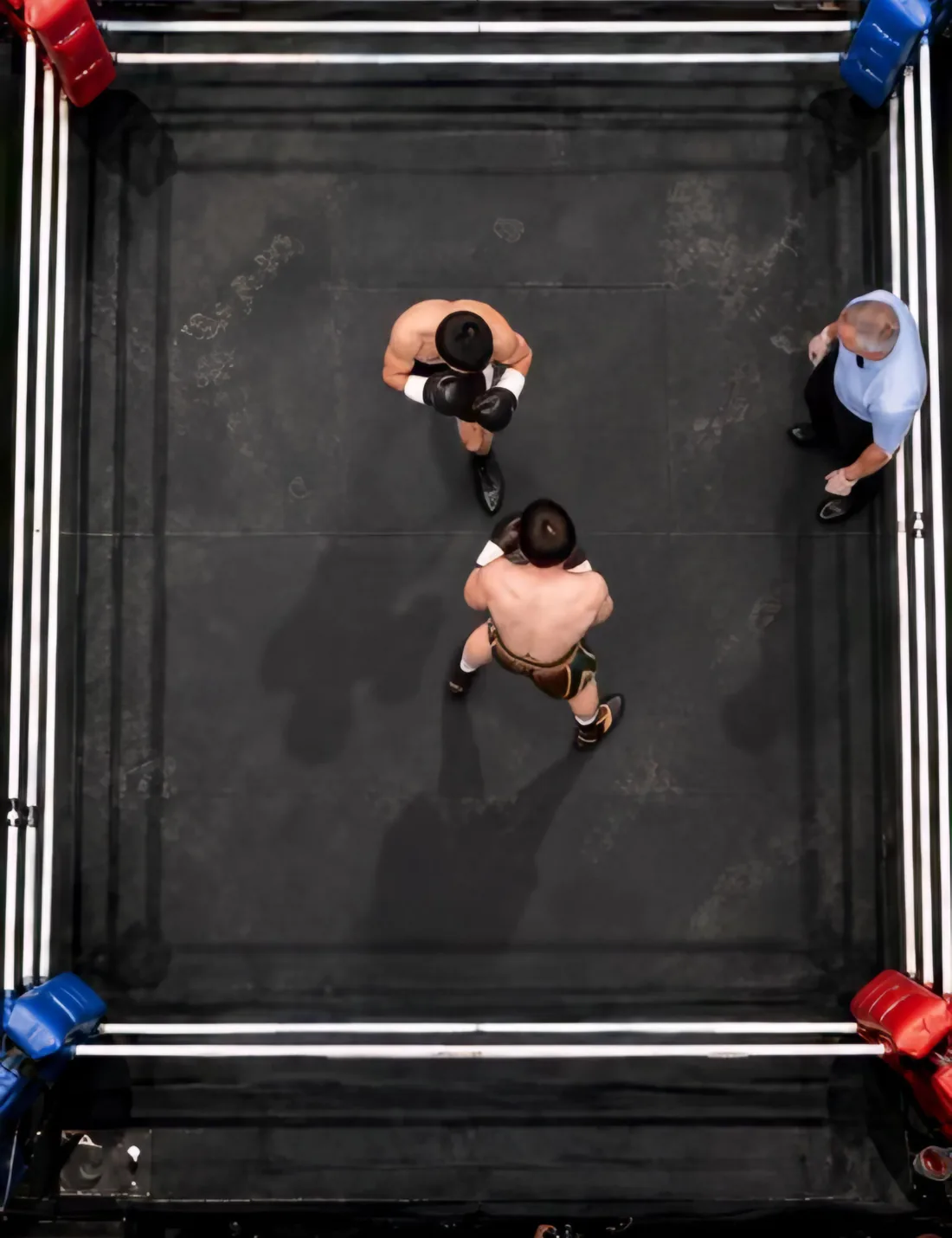
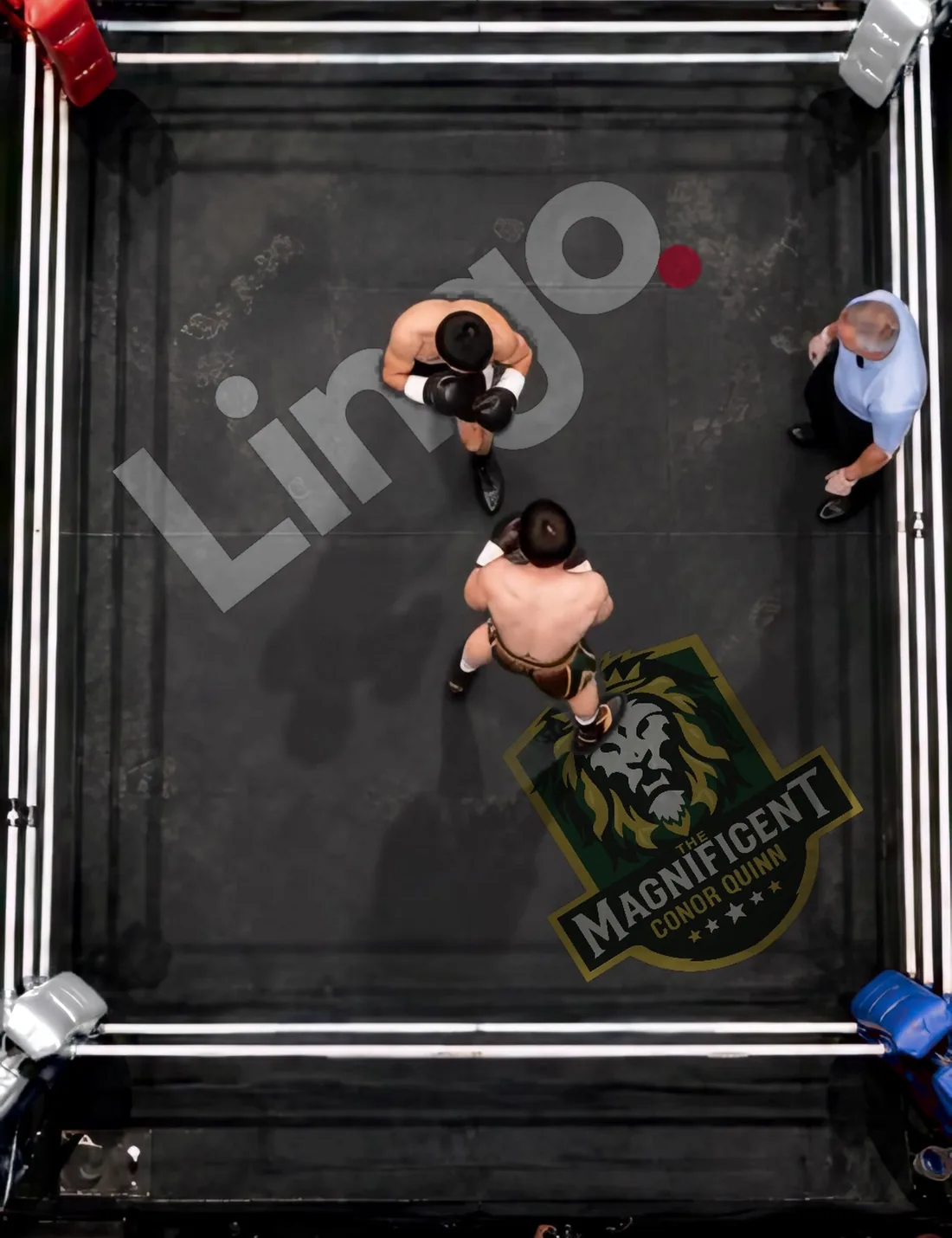
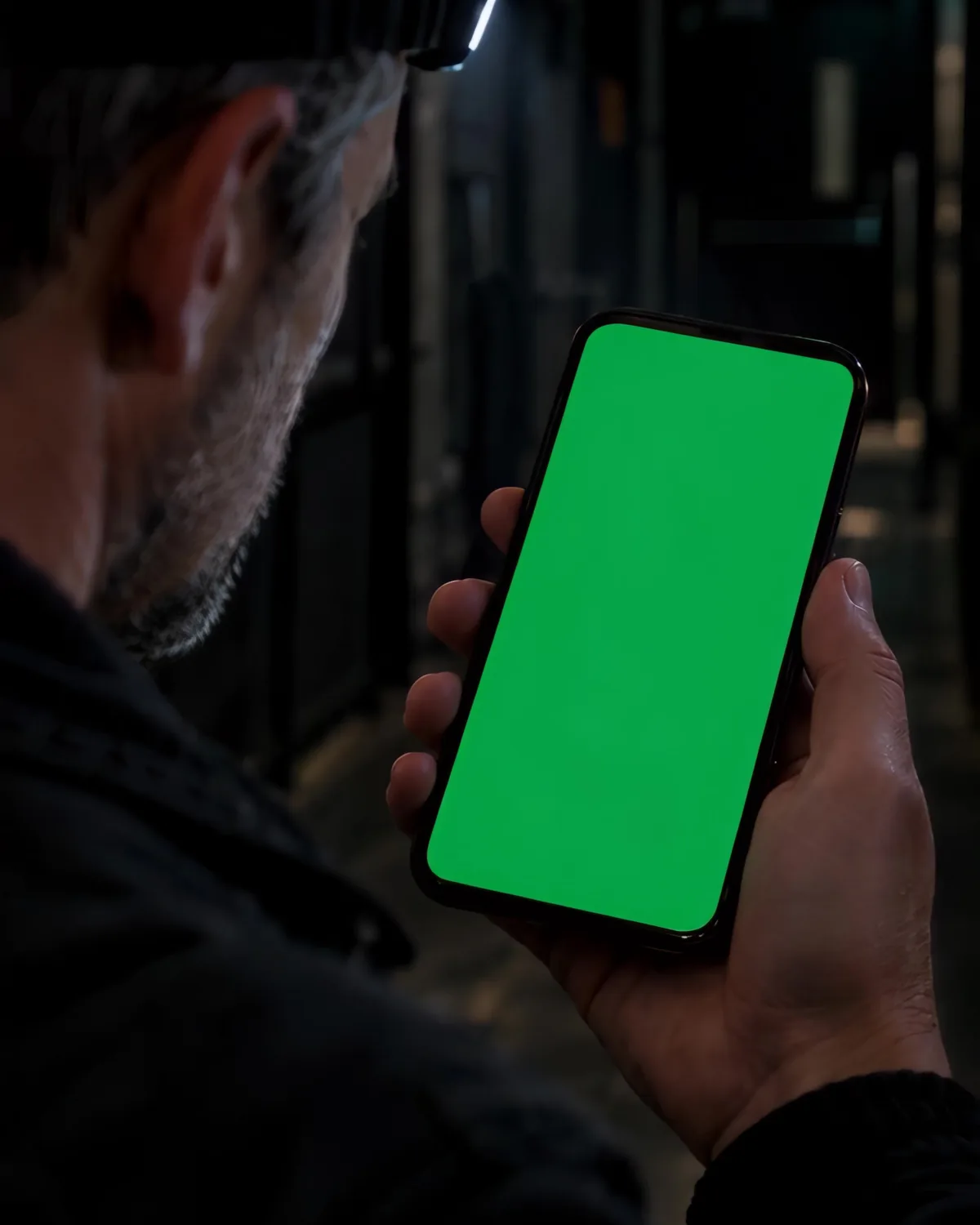
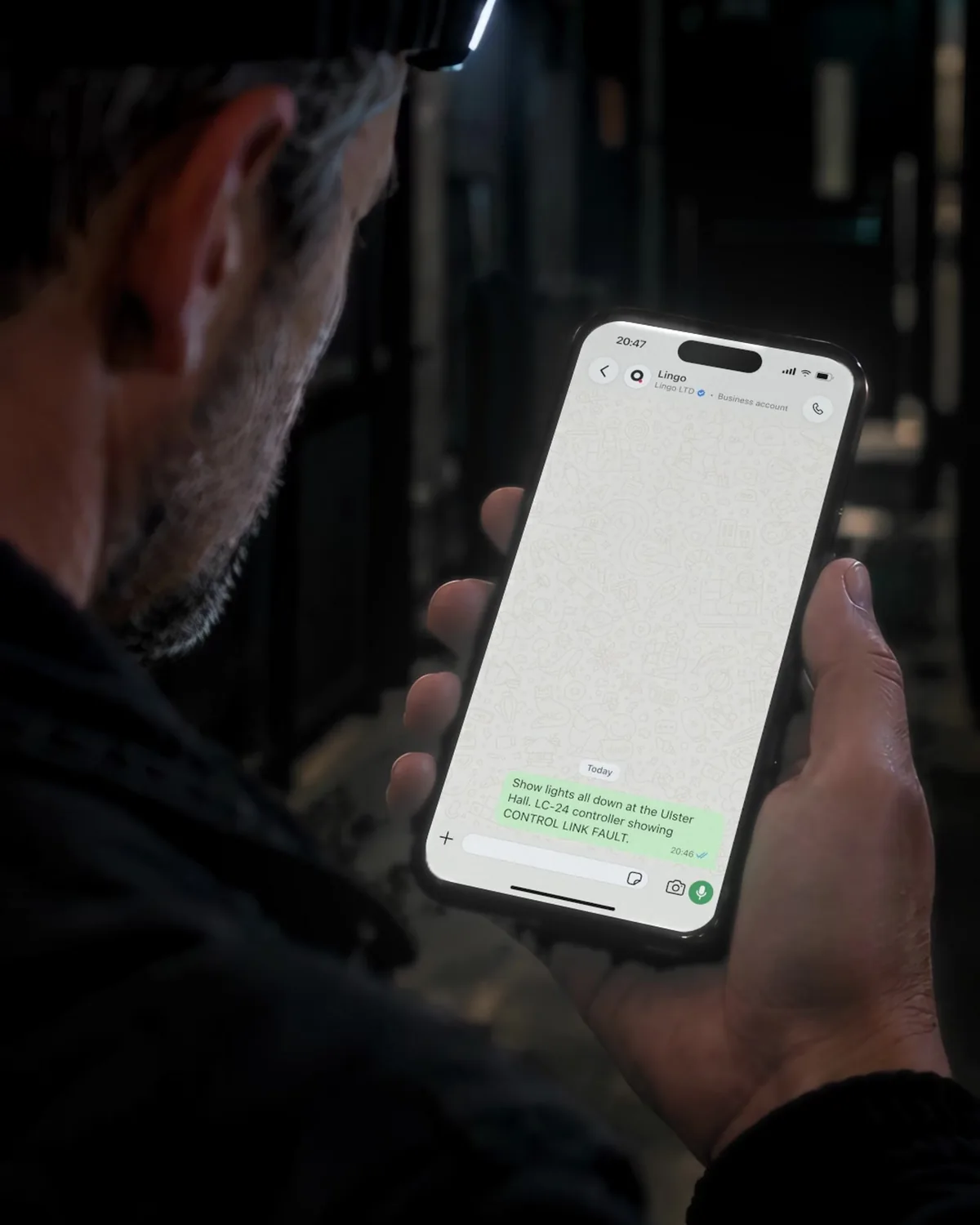
The phone screen shows the difference between generating and building. The WhatsApp conversation was laid out in Figma with components from Apple’s iOS design resources and the SF Pro typeface, rendered frame by frame, then tracked onto the green screen and relit so its glow, reflections and grain match the corridor around it.
Anything with text, branding or exact geometry is safer built after generation than asked of a video model.
Working scene by scene with Claude
Claude acted as editor, reviewer and finishing department. Each round followed the same loop:
- New clips came back from Krea.
- Claude built a review page with every take side by side against its storyboard panel and the face anchor.
- Each take got a verdict: approved, generate again with the specific fault and a corrected prompt, or repair in post.
- Approved takes went into the cut, which was rebuilt after every round so the whole film could be watched in context.
That ran for 14 rounds. Claude also did the work that would normally go to a post-production house: the phone screen, the logos on the canvas, the corner pads, the sound mix, the 4K upscale and the masters. The final export opens on a fully lit Ulster Hall, so the first frame works as the thumbnail.
The same frame at 720p and in 4K
Drag the handle
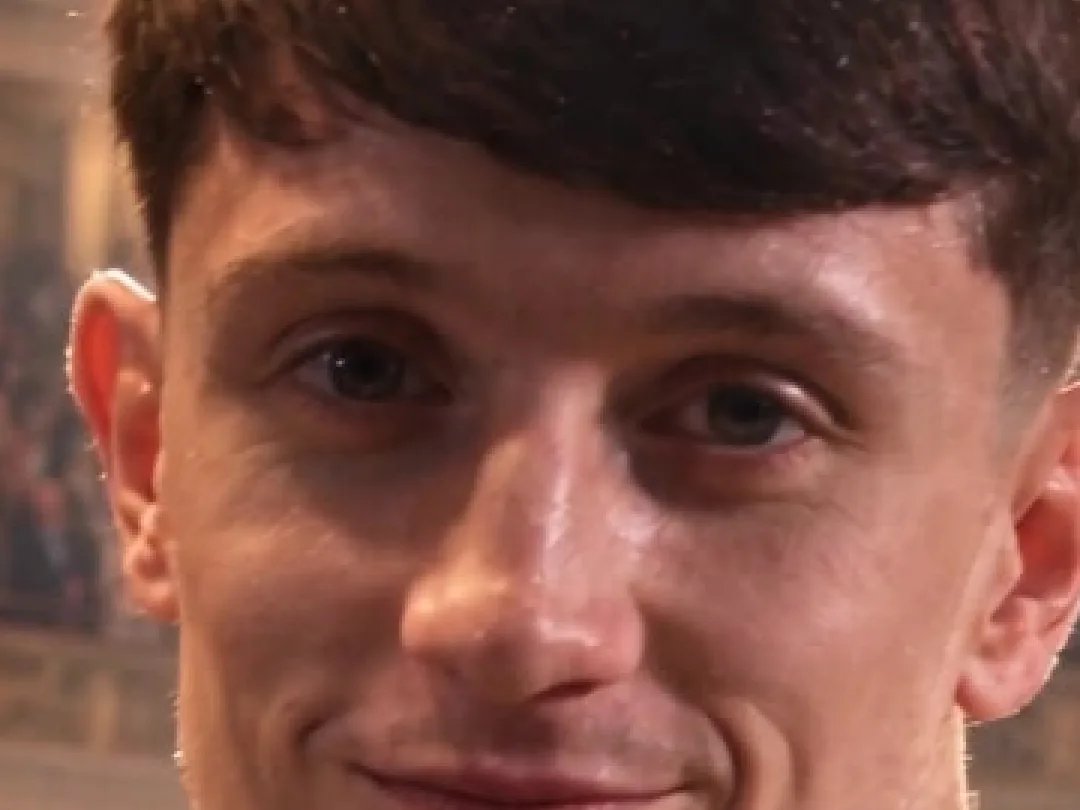
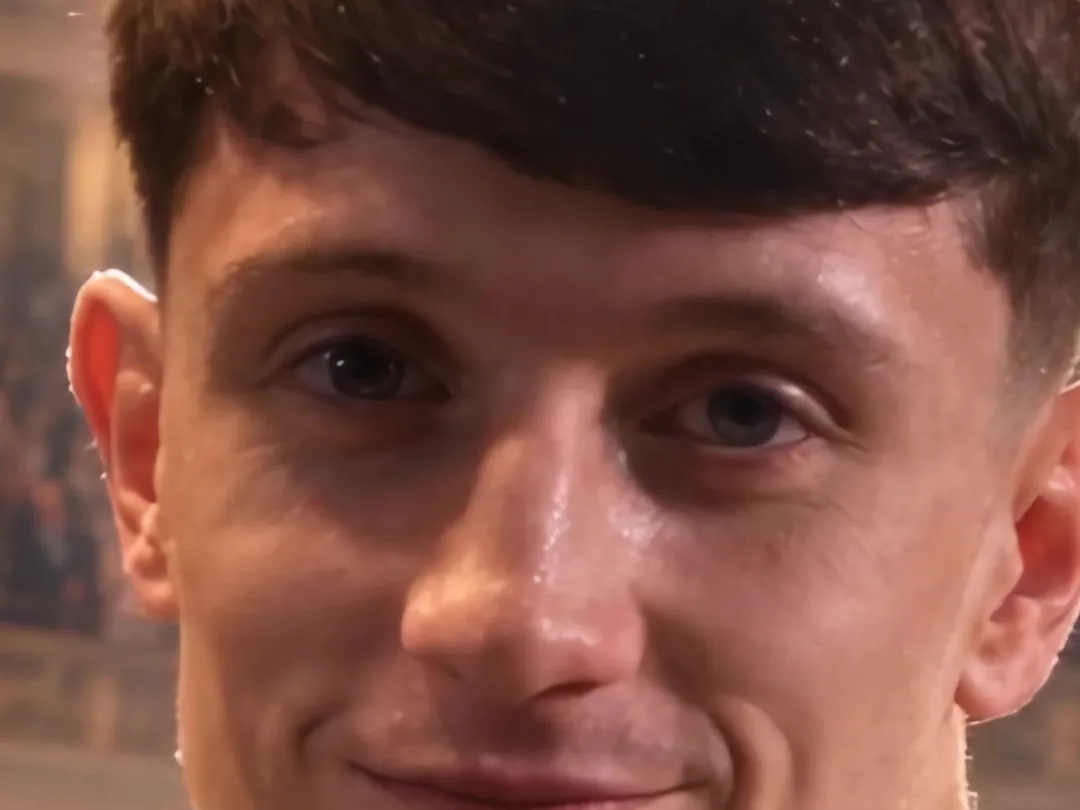
How much does it cost to make an AI advert?
For this film, £162 in Krea charges covered all video generation and upscaling.
- paid to Krea for all video generation and the 4K upscale
- £162
- compute units used, every draft and rejected take included
- ~75,000
- review rounds from first draft to final cut
- 14
What was paid to Krea
October 2026. Krea bills in US dollars, converted at the Bank of England rate on 15 October.
| Item | Cost | Compute units |
|---|---|---|
| Business subscription, first month, with an introductory discount | £26.41 | 20,000 |
| 3 top-up packs at £45.28 each | £135.83 | 60,000 |
| Total | £162.24 | 80,000 |
4,659 units were left at the end, so the film used about 75,000. At the top-up rate of £45.28 for 20,000 units, a seven-second 720p Seedance clip costs about £2.71, and a four-second draft less than a pound.
For comparison, Krea’s published plans on 15 October 2026, converted at the same rate, ran from a free tier with 100 units a day, through Basic at £4 a month for 5,000 units, Pro at £16 for 20,000 and Max at £48 for 60,000, to Business from £121 for 80,000 and more. The ChatGPT, ElevenLabs, Claude and Figma subscriptions used alongside Krea are not included in these figures.
On the night
The advert went out on Instagram at midday on 17 October. That evening Conor walked out at the Ulster Hall with the Lingo logo on the back of his shorts. The film imagined the walk-out a few days before it happened; this is the real one.
The walk-out, in the film and on the night
Hover over a clip, or tap it, to play
Fight night at the Ulster Hall
Hover over a clip, or tap it, to play
Backstage In the ring In the ring
Why a troubleshooting company made a fight advert
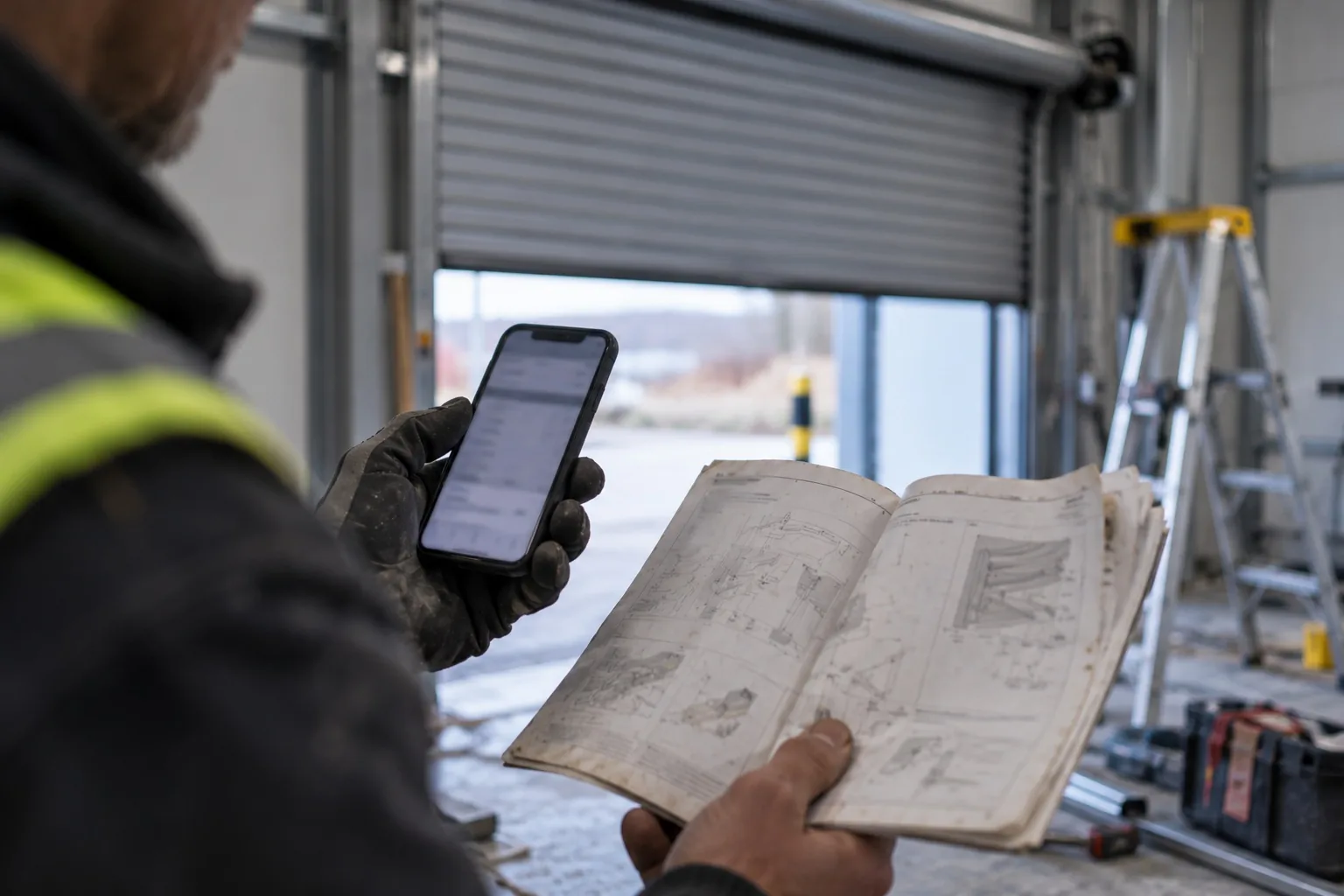
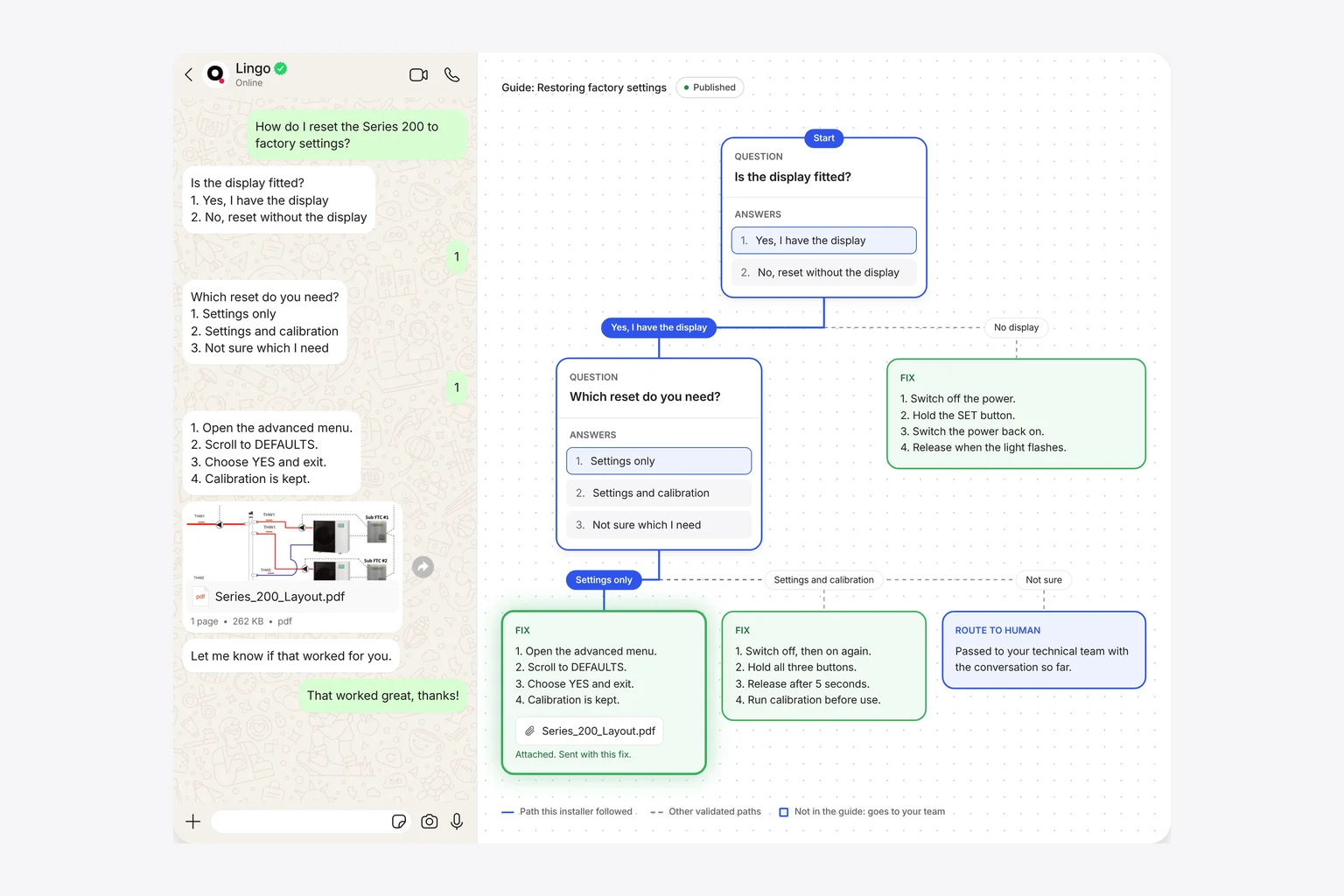
Lingo turns manufacturers’ manuals and service documents into step-by-step guides that installers follow on WhatsApp, Teams or the web, on site and at any hour. The advert was made to celebrate our first sponsorship, but it ran on the same principles as the product.
- Start from the source. The likenesses came from real photos, not from the model’s imagination. Lingo’s answers come from the manufacturer’s own documentation.
- Don’t let the model improvise where precision matters. Logos, screens and geometry were built, not generated. Wiring, parameters and safety steps are handled the same way.
- Check, pass on, improve. Every clip was checked against a fixed reference and approved, redone or repaired by hand. A question Lingo’s guides do not cover goes to the manufacturer’s engineers, and their answer becomes part of the guide.
Generative AI is good at producing something plausible. The work is in producing the right thing every time, and knowing when to hand over to a person.
Sources
- PricingKrea, accessed 15 October 2026. Published plan prices and compute allowances. What Lingo paid and the per-clip costs are from Lingo’s own Krea account.
- Apple design resourcesApple, accessed 15 October 2026. The iOS interface kit and SF Pro typeface used for the phone screen.
Questions people ask
Can AI make a broadcast-quality advert?
For a short vertical film for social media, yes, with a lot of human review and finishing work. The video model produces the raw shots. The quality comes from planning every shot first, rejecting what is wrong, and repairing in post what the model cannot do reliably, such as logos, phone screens and exact geometry.
Which AI video model is best for realistic people?
On this project, Seedance 2.5 held a real person’s likeness and the physical detail of the venue better than the alternative we tried during an outage. That alternative lost the likeness, made a logo unrecognisable and opened a door the wrong way, so every clip from it was discarded.
How do you keep a face consistent across AI video shots?
Build a reference set from real photos and fight footage that covers every angle of the face, fix one approved face as the anchor, generate every shot from an approved still image rather than from a text description, and never swap a small face into a wide shot.
Can AI video models render logos and text?
Not reliably. Sponsor logos on the ring canvas warped as the camera moved, and phone screens came out unreadable. Both were added after generation instead.
How much did the advert cost to make?
£162 in Krea charges covered all video generation and the 4K upscale: about 75,000 compute units across 14 review rounds. The ChatGPT, ElevenLabs, Claude and Figma subscriptions used alongside it are not included in that figure.
How long is a Seedance clip?
We generated clips of four to seven seconds and cut them together. Shots shorter than four seconds were generated at four and trimmed in the edit.